
How to Master Your First In-Person Listing Presentation
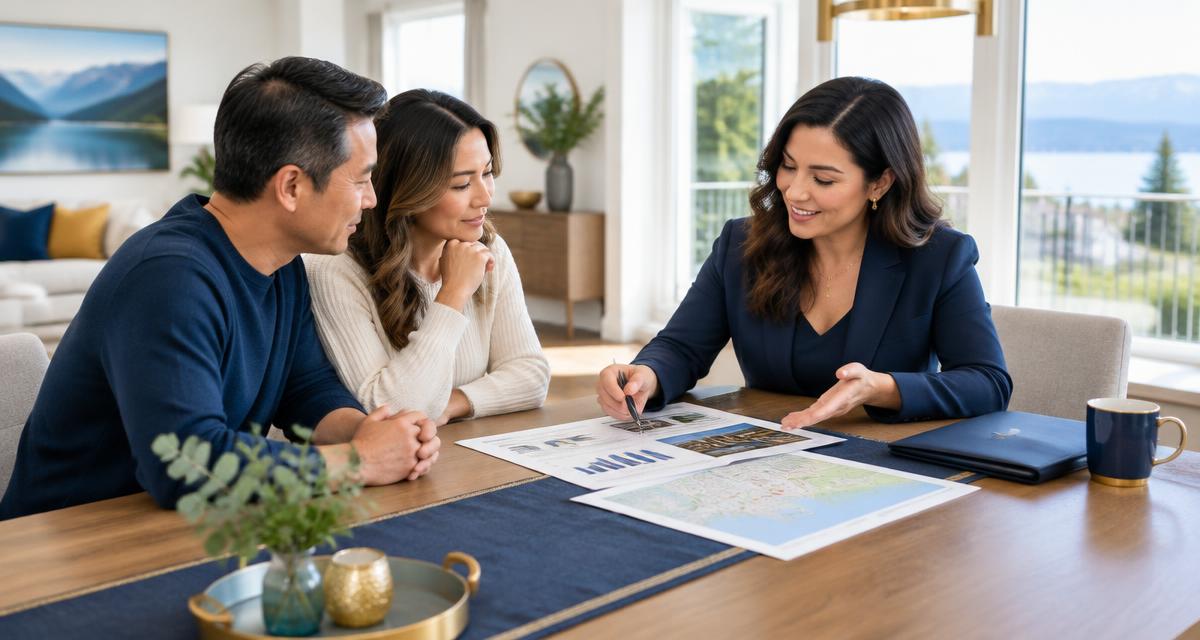
Your first in-person listing presentation can feel like a major test. You are sitting across from a homeowner, discussing one of their most valuable assets, while trying to demonstrate that you are the right Realtor to guide the sale.
The good news is that sellers do not expect a performance. They want a prepared professional who listens carefully, explains the market clearly, and gives them confidence about the next step. A strong listing presentation is a structured conversation—not a memorized sales pitch.
This guide gives new Canadian Realtors a practical process for preparing, leading, and closing an in-person seller meeting with confidence.
1. Prepare Before the Appointment
Confidence starts before you arrive. Review the property, neighbourhood, recent comparable sales, active competition, and local market conditions. Check the property's public history and note questions that require confirmation from the homeowner.
Build a concise comparative market analysis rather than overwhelming the seller with every available statistic. Select the most relevant comparable properties and be ready to explain why each one matters. Your goal is to help the homeowner understand the market, not to impress them with a thick report.
Send a simple pre-listing package
A short pre-listing package can introduce your process before the meeting. It may include your professional background, marketing approach, testimonials you are authorized to use, and a short list of documents or details the seller should have ready.
Research the property → Review comparable sales → Prepare key questions → Confirm the appointment
2. Create a Professional First Impression
Arrive on time, dress appropriately for your market, and bring organized materials. Silence your phone and begin with a calm introduction. Small details communicate reliability before you discuss price or marketing.
Do not open with a long speech about yourself. Thank the homeowners for inviting you, explain the meeting's simple agenda, and ask whether there is anything important they want to cover. This immediately makes the presentation feel collaborative.
3. Discover the Seller's Real Goals
The best listing presentations begin with questions. Price matters, but it is rarely the seller's only concern. They may be relocating for work, downsizing, managing an estate, or trying to coordinate a purchase with their sale.
Useful discovery questions include:
- What is prompting you to consider a move?
- What timing would work best for you?
- Who else is involved in the decision?
- What matters most: timing, price, convenience, or certainty?
- Have you sold a property before, and how was that experience?
- What concerns do you have about the process?
Listen without interrupting and take brief notes. Their answers should shape the rest of your presentation.
4. Use the Home Tour to Learn
Ask the seller to guide you through the home. Let them explain improvements, favourite features, maintenance history, and anything that may affect the sale. Avoid giving instant renovation advice before you understand their budget and timeline.
View the property through a buyer's eyes while respecting the homeowner's connection to it. Ask permission before taking photos or measurements. After the tour, summarize the features that may influence positioning and marketing.
5. Present the Market Analysis Clearly
Your pricing conversation should be based on evidence. Explain the difference between active listings, expired listings, and recently sold properties. Then show how location, condition, size, features, and current competition affect the likely range.
Avoid promising the highest price simply to win the appointment. An unrealistic list price can reduce early interest and make the property harder to position later. Give a reasoned recommendation, explain your assumptions, and invite questions.
If the homeowner expects a higher number, stay curious: ask what information shaped that expectation. Then compare their reasoning with current market evidence without becoming argumentative.
6. Explain Your Marketing Plan
Sellers need to know what will happen after they sign. Walk through your launch plan in plain language: preparation, photography, listing copy, online exposure, agent outreach, showing coordination, feedback, and regular reporting.
Focus on outcomes rather than tools. Instead of listing every platform, explain how each activity helps attract the right buyers and supports the property's position in the market. Be specific about what you will do personally, what your team handles, and how often the seller will hear from you.
You can also explain why face-to-face seller conversations create stronger opportunities than unqualified online leads.
7. Handle Common Seller Objections
“Another agent suggested a higher price.”
Acknowledge the difference and return to the evidence. Ask how the other price was calculated, then explain your recommended range and the risks of testing an unsupported price.
“Your commission is too high.”
Do not become defensive. Clarify the service, marketing, negotiation, communication, and risk management included in your proposal. Follow your brokerage rules and local regulations when discussing fees.
“We want to think about it.”
Respect the request and ask whether any unanswered concern is preventing a decision. Confirm when you may follow up. Pressure can damage trust; clarity and professionalism keep the conversation open.
“You do not have enough experience.”
Be honest. Focus on your preparation, responsiveness, market knowledge, brokerage support, and the process you will follow. Never invent sales or testimonials. A new Realtor can still earn trust through thorough work and clear communication.
8. Ask for the Listing Naturally
After answering questions, summarize what you heard: the seller's goals, preferred timeline, pricing discussion, and your recommended plan. Then ask a direct, low-pressure question such as, “Do you feel comfortable moving forward with this plan?”
If they are ready, review the listing documents carefully and make sure they understand what they are signing. If they are not ready, agree on the next step instead of leaving the follow-up vague.
Listen → Recommend → Confirm concerns → Summarize the plan → Ask for the next step
9. Follow Up Professionally
Send a short thank-you message after the appointment. Include any information you promised, recap the agreed next step, and follow up when you said you would. Even if the seller chooses another agent, courteous follow-up protects your reputation and may lead to future referrals.
Consistent meetings are essential for building this skill. Read our guide on how to get more real estate listing appointments and learn how a predictable seller appointment pipeline supports long-term growth.
First Listing Presentation Checklist
- Confirm the date, time, address, and decision-makers
- Research the property and neighbourhood
- Prepare relevant comparable sales and active competition
- Bring your marketing plan and required brokerage documents
- Prepare discovery questions instead of a long sales script
- Plan how you will explain pricing and common objections
- Confirm the next step before leaving
- Send promised information and follow up on time
Frequently Asked Questions
What should I bring to my first listing presentation?
Bring a current comparative market analysis, a clear marketing plan, relevant examples of your work, a seller net sheet when appropriate, and the listing documents required by your brokerage.
How long should an in-person listing presentation take?
Allow enough time for a home tour, discovery questions, your recommendations, and seller questions. Keep the conversation focused and follow the homeowner's pace rather than forcing a fixed length.
How should a new Realtor answer a question they cannot answer immediately?
Be transparent, write the question down, and promise a specific follow-up time. A careful verified answer builds more trust than guessing.
Does Royal RoXn help Realtors get in-person seller appointments?
Royal RoXn provides seller prospecting, qualification, and face-to-face listing appointment setting for real estate professionals.